Personal
Information
Sheet
Name: Norman Lester
DOB: 11th January 1918
Rank: Signalman
Service Identity Number: 846642
Service/Regiment/Corp: Royal Corps of Signals
Unit:
Died: 1986
Click image to expand and see all images
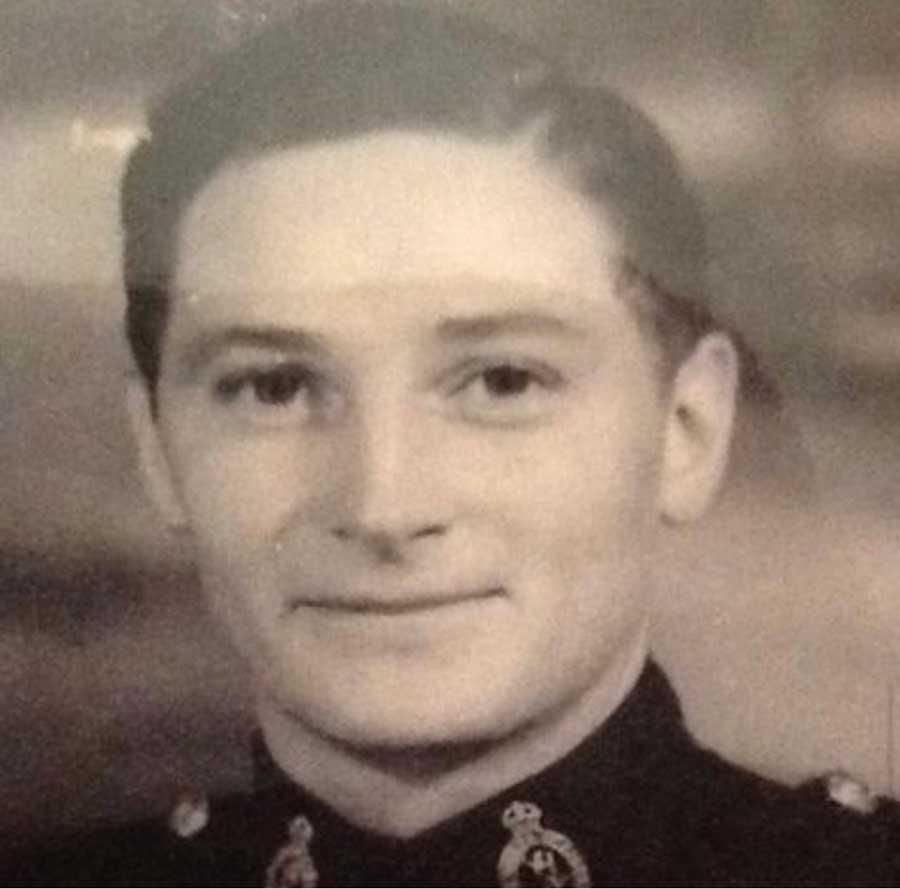
Norman Lester was born in Southampton, England on 11th January 1918. He was the eldest of six children born to Eli Lester and Frances (neé Whiting) and had six older half-siblings and 7 older half-siblings.
He grew up in Redditch, Worcestershire. He enlisted along with his brothers Ronald and Gilbert for National Service in the Royal Corps of Signals at Worcester and was posted to Hong Kong.
He was there when Hong Kong fell to the Japanese on Christmas Day 1941. He was taken prisoner and kept at Shamshuipo Camp before being loaded onto a POW hell-ship, the Lisbon Maru.
He lost his best friend in the sinking of the ship. Whilst in the water, with the the Japanese guards shooting at the men, he saved the life of an unconscious fellow prisoner, Duncan McKinlay.
Norman and Duncan became friends and went through the camps together. Norman wrote poetry and kept a "diary" listing all of the men in his regiment and what happened to them. One of the poems was about Sgt Arthur Alsey and another about Duncan McKinlay's sister Annie (the poem is called "Annie of Neilston").
One day due to the stresses of camp life they had a bad fight and were sent to opposite ends of the camp by a commanding officer. Military discipline was still present, even in camps. Norman was chatting to an older Dutch East Indies man in the camp (a civilian prisoner we believe) who said "don't worry, you'll become friends, and when everyone gets home you'll marry his sister". Norman never believed in fortune telling or anything of the sort however apparently this old guy claimed to be some sort of mystic.
He worked on the docks unloading sacks of rice. Any split bags the prisoners could sometimes keep, on other occasions they would smuggle rice back to camp between their fingers. The guards soon got wind of this so would hit the prisoners hands with bamboo at the end of the day when leaving the docks ensuring any grains of rice would be dropped.
On one occasion at the docks he was speaking derogatorily about the guard unaware that the guard could understand English. He was hit in the face with the butt of the guard's rifle who then explained he had been educated in England.
Another time on the docks there was a really tall Australian of Greek descent who they called Pete the Greek. They were unloading tins of salmon and he put one inside his loincloth. The guards knew one tin was missing, but couldn't work out who or how but they suspected Pete the Greek. They wouldn't search the men as they wouldn't want to "lose face" if they were wrong. They made him stand in the hot sun all day, eventually letting him go to bed. Let's just say by the time he got back he had a pretty sore manhood! The tins of salmon went in the cookpot that night.
He also spent time in the punishment holes (small, underground cells) but why is unclear.
Norman also said towards the end the guards too were starving, the Allied POWs eating better. I assume this was after Japan surrendered, Red Cross parcels were released and the guards were eating with their former prisoners.
Norman witnessed Nagasaki. He was working in a mine when the bomb was dropped.
When he was liberated, Norman had to sit over the bomb doors on the plane to Manila as there was very little room. From Manila he sailed to San Francisco and was then put on a boarded up train to New York for several days. The train was boarded up due to disease control. Understandably the men were not happy being on a boarded up train for several days across the United States.
Once in New York, he and another POW escaped through the sewers from the military prison for a night out. They got stopped by a police squad car. When the policemen realised they were Far East Prisoners of War they were driven to a bar. Everyone was buying them drinks as heroes. As they were fairly drunk they got separated.
When Norman got back to the prison the military police on the gate said "they're not ours, no one has ever escaped from here, so he's not coming in" (his friend had managed to find the sewer). As it was a turnstile to get in or out, they wouldn't let him back in even after fetching the British Commanding Officer, who said "Lester is one of ours". So the police ended up throwing him over a fence back into the prison and the other British POWs caught him!
He sailed from New York to Southampton in October 1945.
Once home, he travelled to Neilston, Scotland, to see Duncan McKinlay. There he met "Annie of Neilston" and they were married in early 1946. They settled in Redditch and had four children, who in turn had seven children, although Norman only met five of his grandchildren as he died in 1986.
After the war, Norman would never buy anything Japanese, especially cars, which he loved buying and doing up.
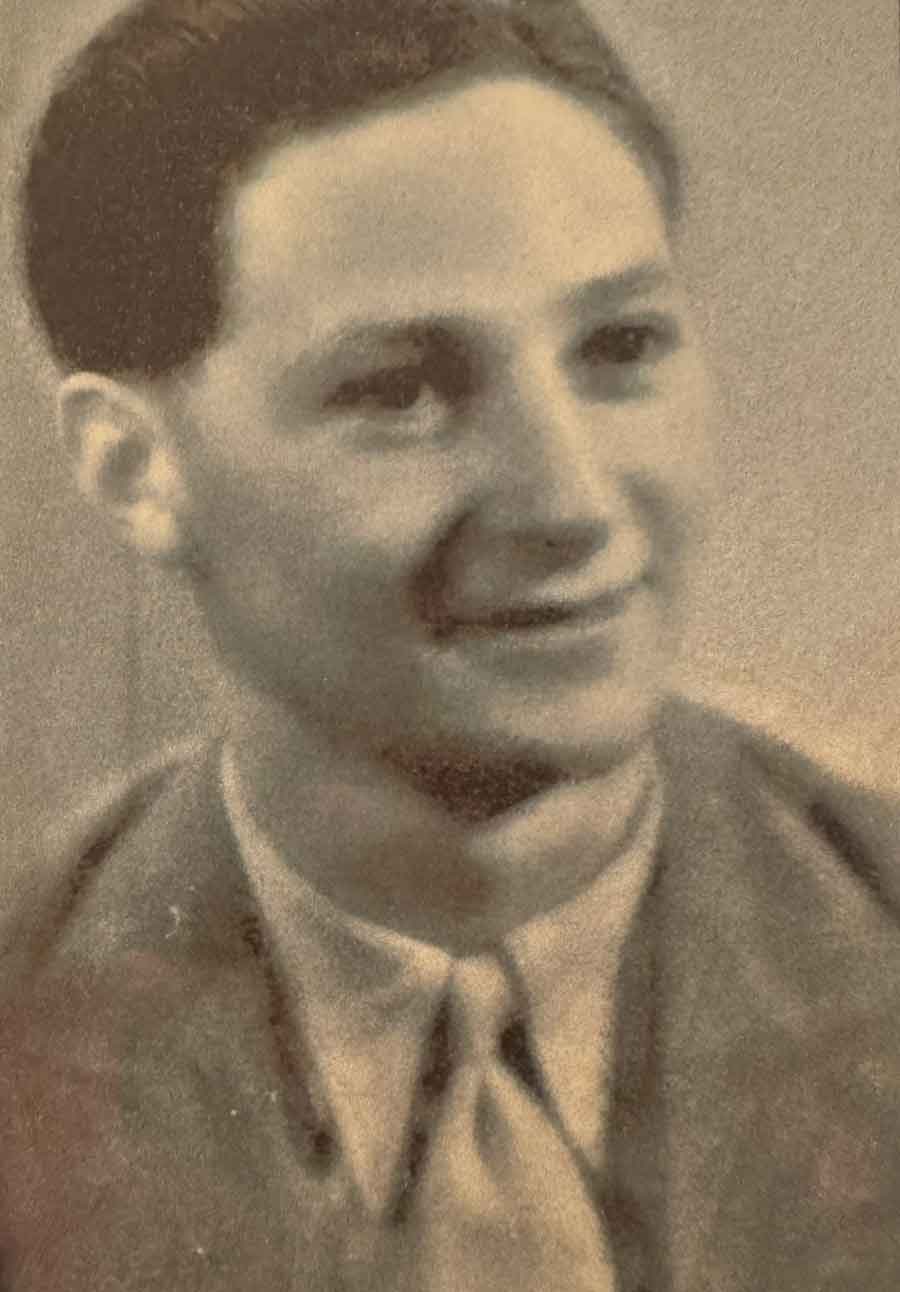
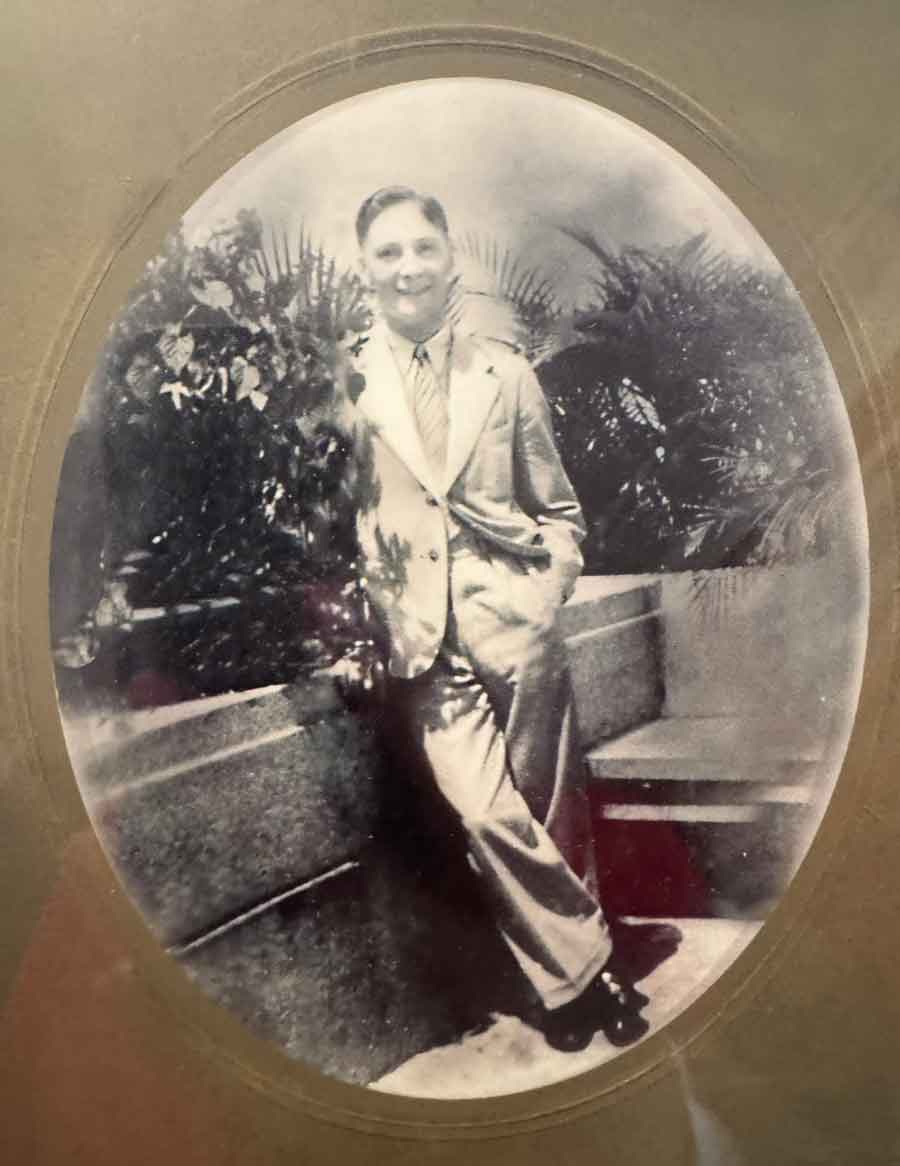
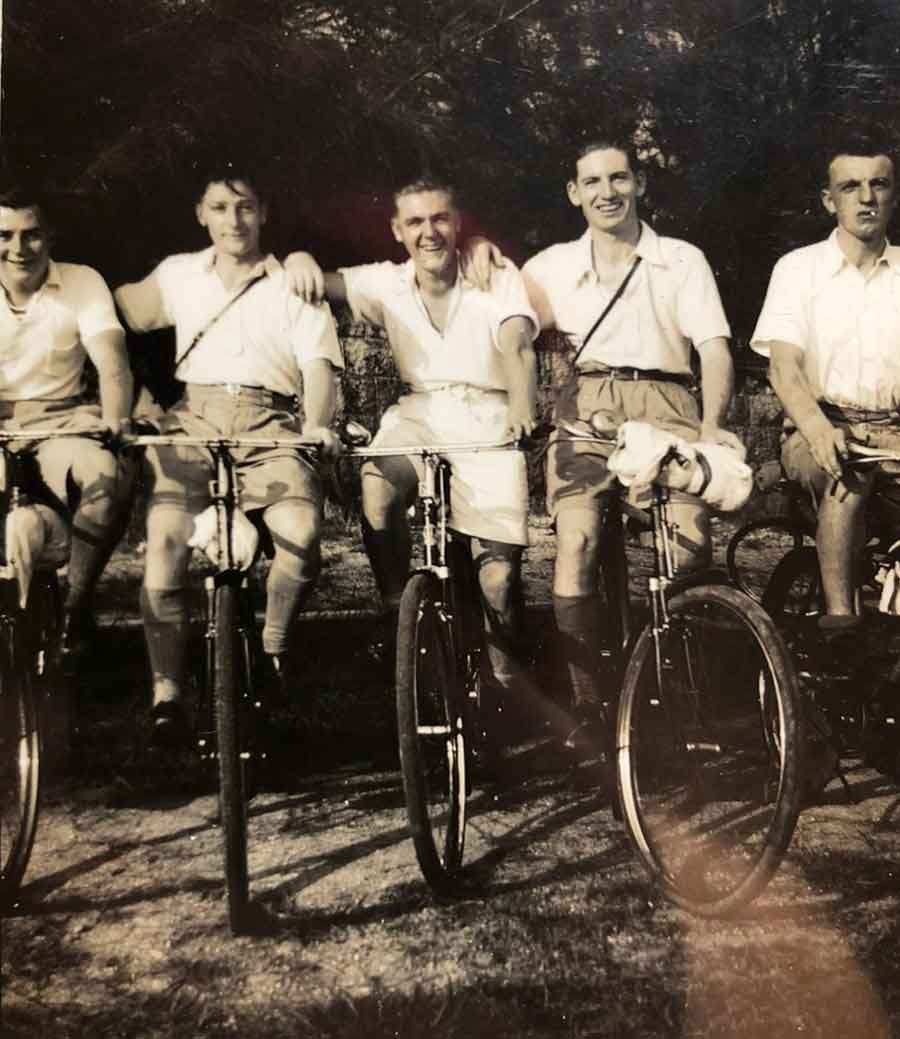
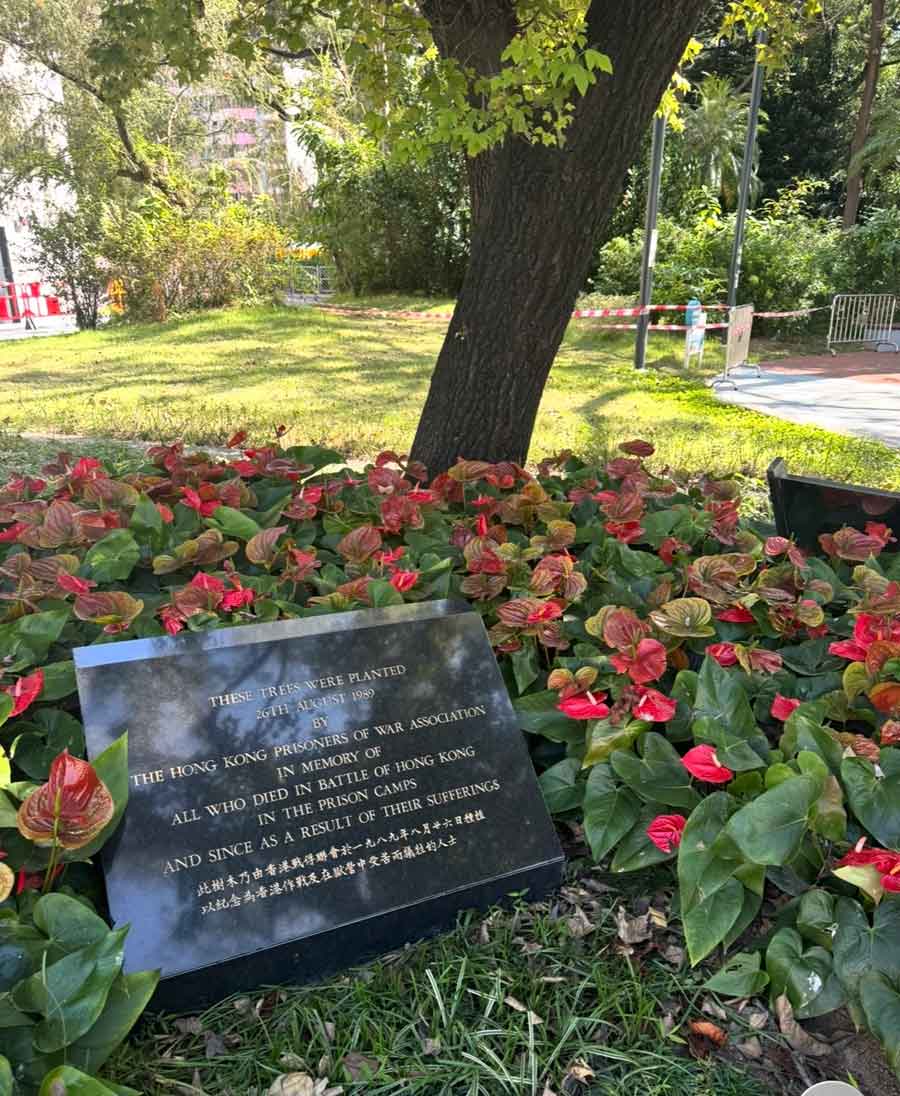
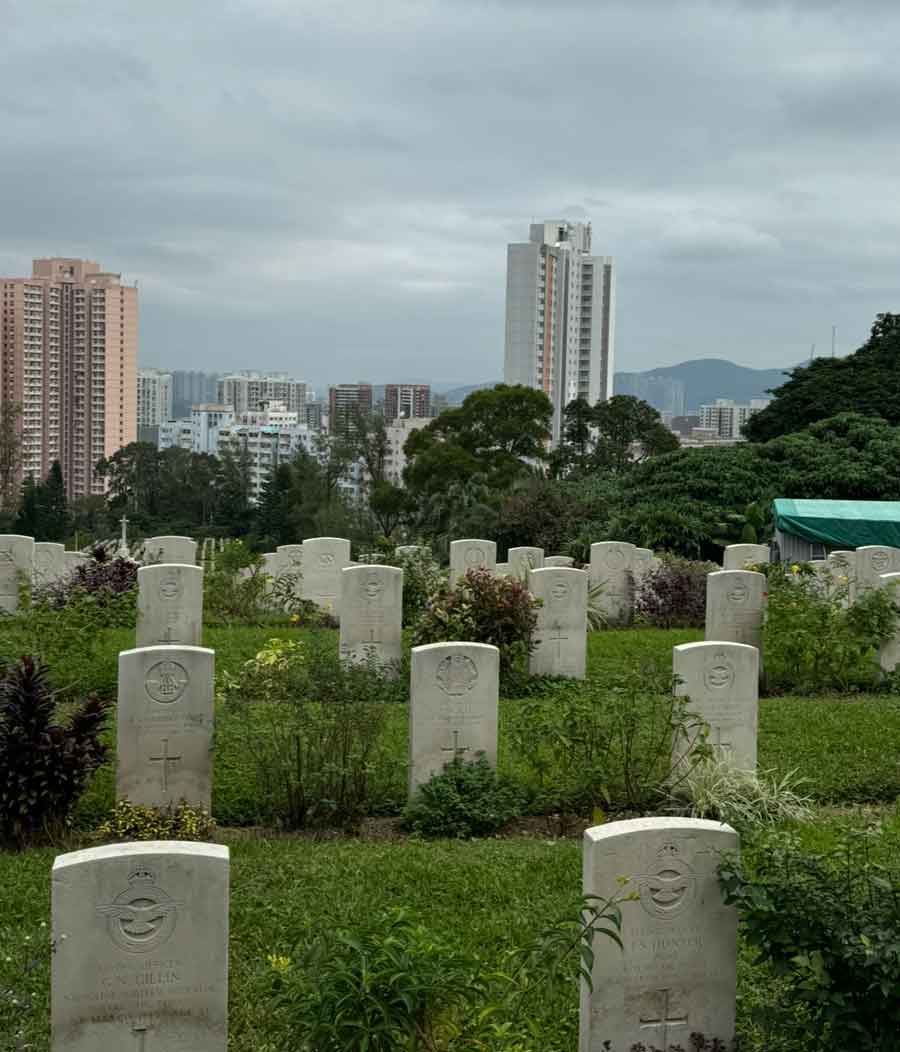
The above information was provided by Leighanne McKinlay-Wilkins granddaughter of Norman Lester.
Reproduction of this Personal Information Sheet or the information or pictures contained within it without the express permission of LiMMA is prohibited. Relatives providing information regarding the above person do so on the understanding that it will only be used for the purposes of LiMMA in producing their website and not passed to any third party. For further information please contact limmauk@gmail.com
Return to the LiMMA website